
OVERVIEW
Strengthening Communities to Adapt, Recover and Move Forward
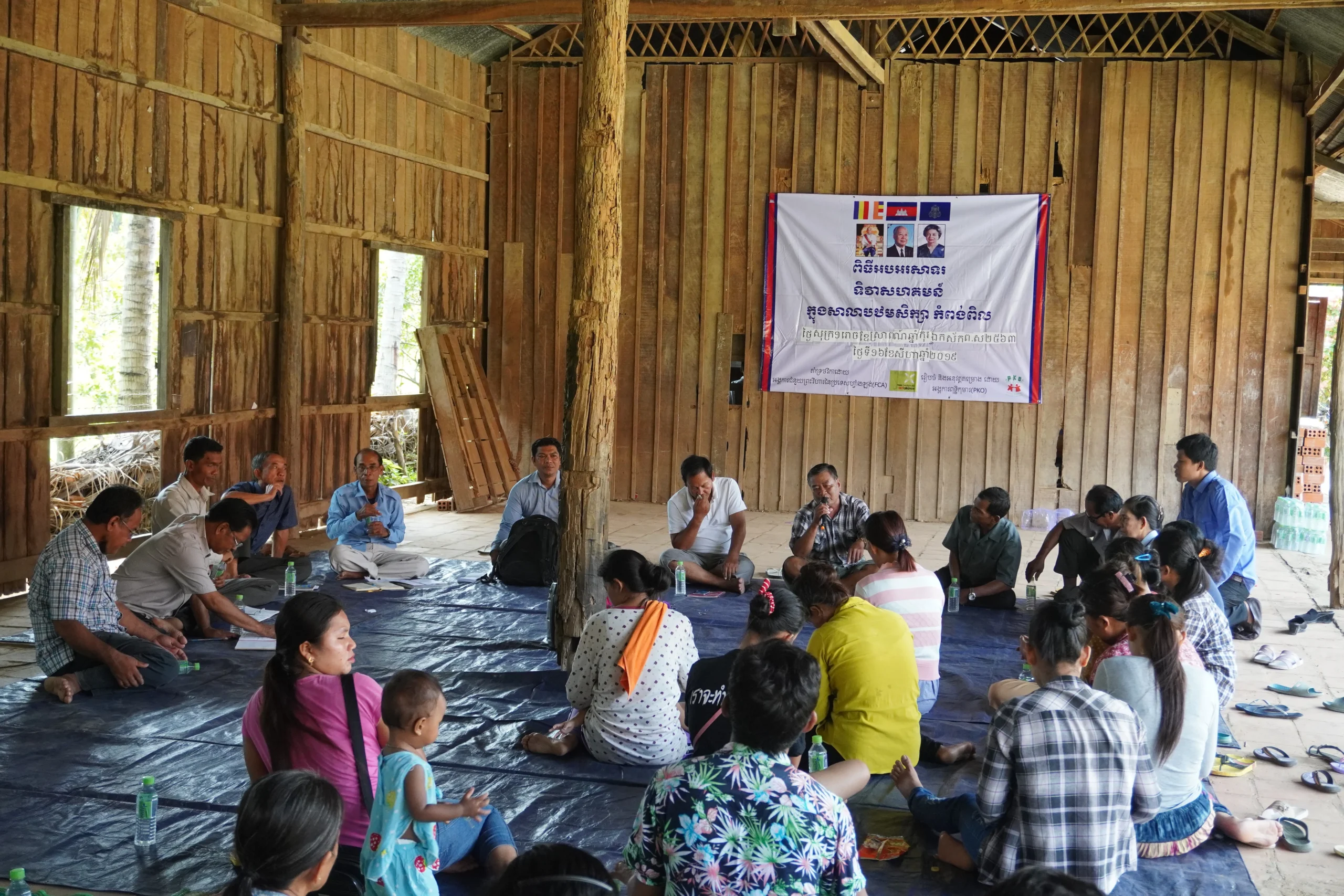
PKO has experience working with rural communities on livelihoods, food security, community development, natural-resource management and responses to environmental shocks. This work has included both immediate recovery and longer-term efforts to strengthen local capacities and reduce vulnerability.
Historical initiatives such as After the Flood and Introducing Native Disaster-Resilient Agriculture (INDRA) addressed the interconnected effects of floods, drought, agricultural vulnerability, limited water access, food insecurity and community health. These experiences helped shift attention from emergency response alone toward preparedness, adaptation and greater community self-reliance.
Today, Community Resilience & Livelihoods provides the public program framework for PKO's historical and future work that strengthens community capacities, local livelihoods and sustainable responses to changing needs.
Focus Areas
Five Focus Area
Livelihoods & Food Security
Supporting communities to strengthen household livelihoods, diversify food production and improve practical knowledge that can reduce dependence on a single source of income or food.
Climate & Disaster Resilience
Strengthening awareness, preparedness and practical ways for communities to reduce vulnerability to floods, drought and changing environmental conditions.
Water & Community Infrastructure
Supporting practical community resources and infrastructure that contribute to livelihoods, water access and preparedness.
Community Capacity & Local Ownership
Working with farmers, community representatives and local authorities to understand needs, strengthen skills and support locally led solutions.
Health, Sanitation & Wellbeing
Recognizing that healthy households and communities are important foundations for resilient livelihoods and participation.
HOW WE WORK
Community-Led, Practical and Built Around Local Capacity
Understand Local Needs
Work with community members and local stakeholders to understand challenges before determining appropriate responses.
Strengthen Skills, Not Only Provide Inputs
Combine practical resources with training and knowledge so communities can manage and adapt beyond a single intervention.
Connect Livelihoods With Resilience
Recognize that food security, water, livelihoods, health and disaster preparedness are often interconnected.
Build Local Ownership
Engage community representatives, local authorities and other stakeholders in implementation, monitoring and sustainability.
COMMUNITY RESILIENCE IN ACTION
Related Projects
No Results Found.
The page you requested could not be found. Try refining your search, or use the navigation above to locate the post.
EVIDENCE & LEARNING
From Recovery Toward Resilience
Recovery Needs Are Interconnected
After the Flood was designed around three connected components—livelihoods, infrastructure and sanitation—with disaster preparedness integrated across the work.
Diversification Can Strengthen Resilience
Historical project design encouraged households to reduce dependence on rice alone by combining crops, vegetables and poultry, while also improving water access and agricultural knowledge.
Prevention Became More Important
The later INDRA design explicitly built on lessons from earlier flood response and documented a shift from reacting to emergencies toward greater prevention, preparedness and climate adaptation.
COMMUNITY EXPERIENCES
Stories of Resilience and Local Action
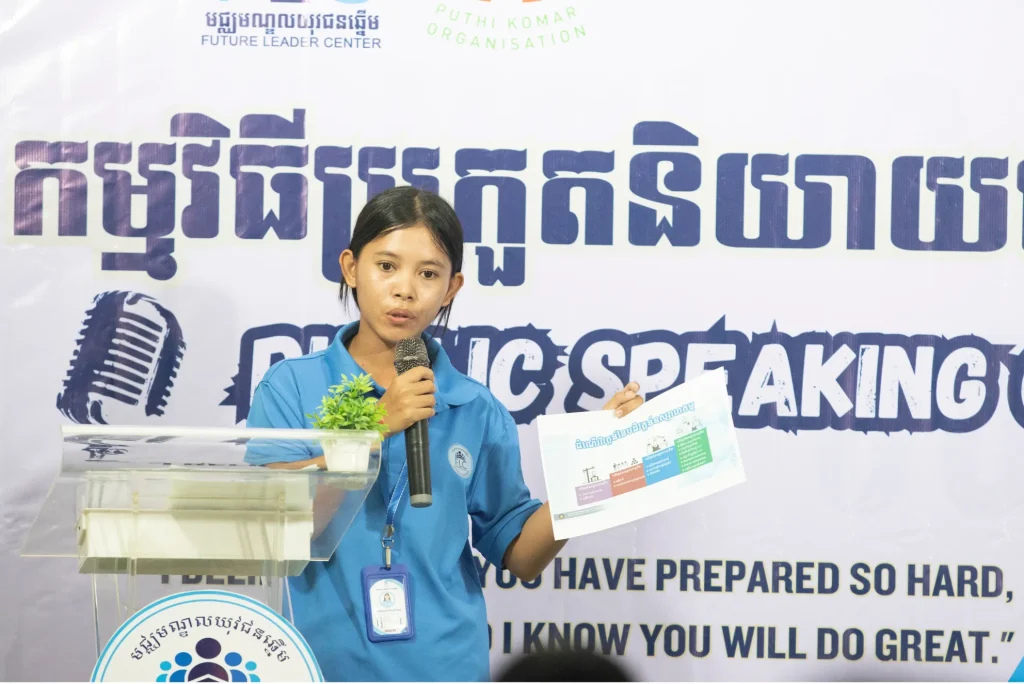
Saroeun Vichheka: Finding Direction and Confidence for a Better Future
FLC helped Saroeun Vichheka develop computer and soft skills, prepare job applications, and practise interviews. She gained confidence, clearer career goals, and stronger financial management, while continuing to balance her internship and FLC classes.
ICT & Digital Education, Youth Empowerment & Skills
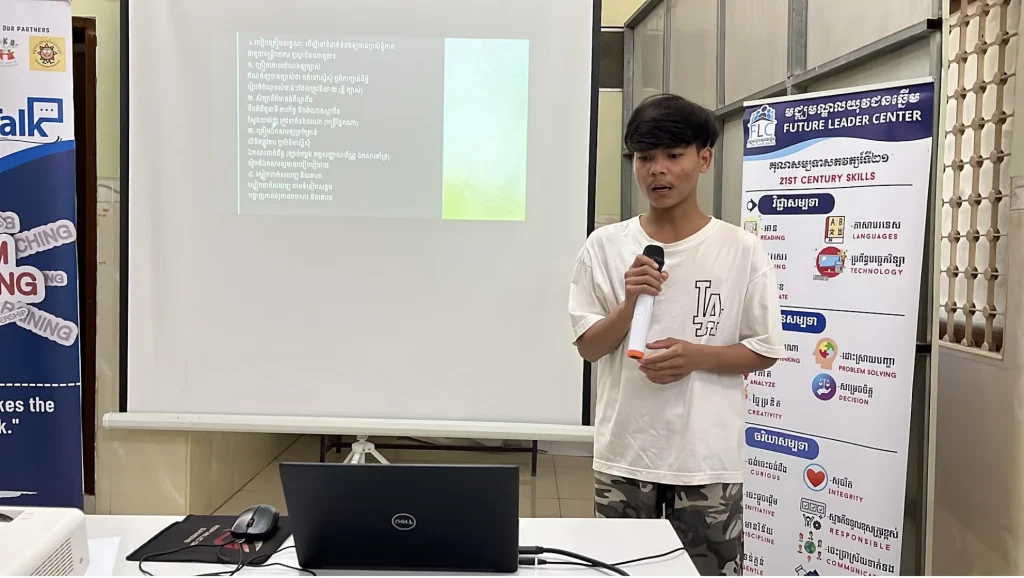
Hou Heng: From the Edge of Dropping Out to Building a Promising Future
When financial pressures threatened his university studies, Houn Heng received free skills training and employment support through FLC. He secured stable employment, became more confident, and can now support himself while continuing his education.
ICT & Digital Education, Youth Empowerment & Skills
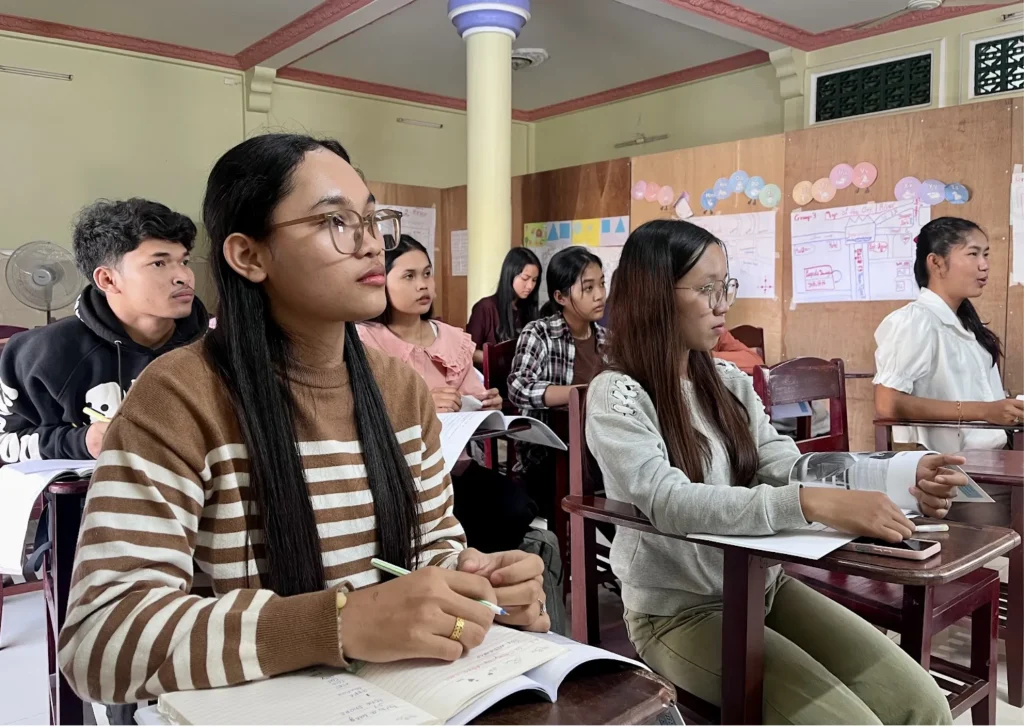
Arth Sophavann: Rediscovering Purpose Through Education and Support
Arth Sophavann regained confidence and direction through FLC training, learning materials, mentorship, and internship opportunities. She developed critical thinking and a clearer career vision, while remaining concerned about future university tuition and her family finances.
ICT & Digital Education, Youth Empowerment & Skills
EVIDENCE & RESOURCES
Community Resilience Resources
No Results Found.
The page you requested could not be found. Try refining your search, or use the navigation above to locate the post.
ACROSS OUR WORK
Principles for Stronger Community Resilience
Community Participation & Local Ownership
Engage community members and local stakeholders in understanding problems and shaping responses.
Gender Equality & Inclusion
Promote meaningful participation and access to opportunities among groups that may face greater vulnerability.
Environmental Responsibility
Consider long-term effects on natural resources, farming systems, water and community environments.
Partnership & Local Systems
Work with authorities, community structures and technical partners to strengthen existing local capacity.
Evidence, Learning & Adaptation
Use monitoring, community feedback and lessons from earlier interventions to improve future responses.
Partner With Communities to Build Greater Resilience
PKO welcomes collaboration with donors, government institutions, civil-society organizations and technical partners interested in community resilience, sustainable livelihoods, local capacity and locally led development.