
OVERVIEW
Technology as a Tool for Learning and Opportunity
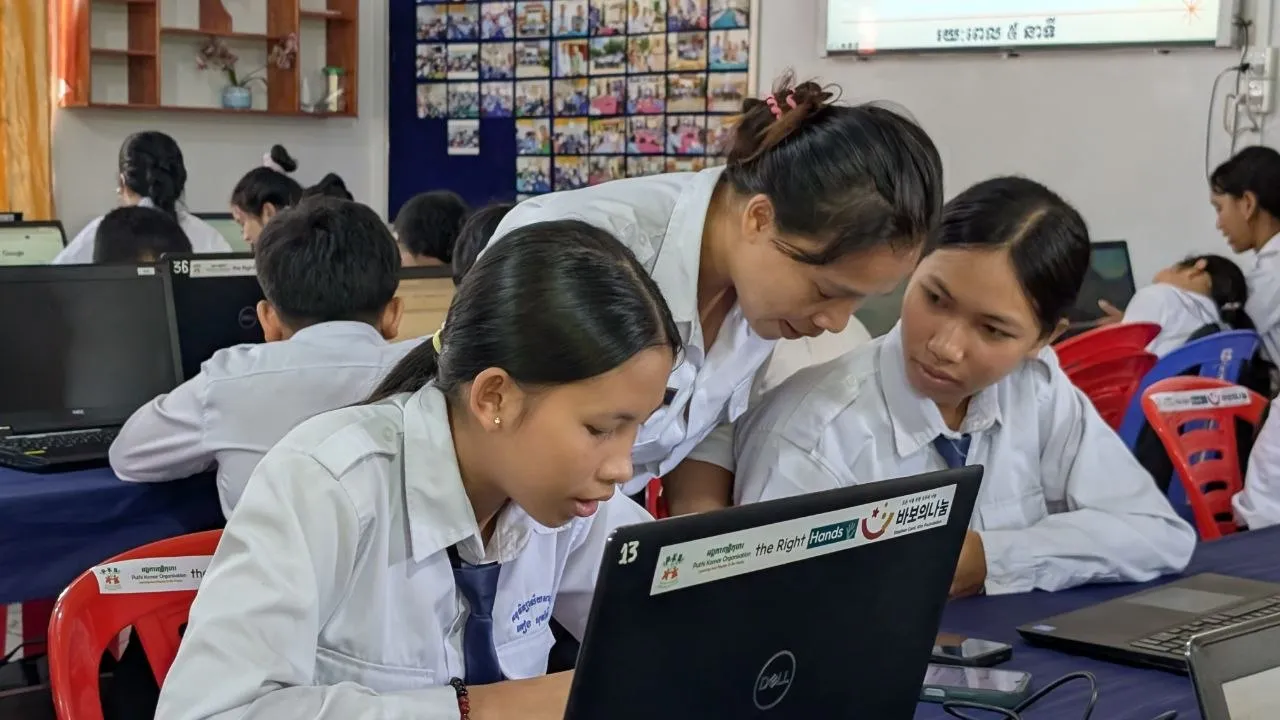
Digital access increasingly shapes how young people learn, communicate, find information and prepare for further education and employment. For students in rural communities, however, access to equipment alone does not automatically lead to meaningful digital learning.
WHY IT MATTERS
Closing the Gap Between Digital Access and Digital Capability
Digital inequality is not only about whether a computer or internet connection is available. Students also need opportunities to use technology purposefully, teachers need confidence to integrate digital tools into learning, and schools need systems to manage equipment and sustain ICT education over time.
Focus Areas
Digital Literacy & Practical ICT Skills
Helping students and young people build confidence in using computers, productivity tools, digital information and technology for practical learning and everyday tasks.
ICT-Enabled Teaching & Teacher Capacity
Supporting teachers to strengthen digital competence, develop ICT-integrated lessons and use technology in more participatory and practical ways.
Digital Creativity, Research & Innovation
Giving students opportunities to use digital tools to investigate problems, collect and analyse information, develop solutions and communicate their ideas.
Digital Safety, Information Literacy & Responsible Technology
Helping learners use digital platforms thoughtfully, protect privacy, assess information and understand responsible use of emerging digital technologies.
Future Skills & Career Readiness
Connecting digital capability with communication, further education, employment and practical preparation for changing workplaces.
HOW WE WORK
Beyond Equipment
Build Access
Establish appropriate learning environments, equipment and connectivity so students and educators can practise digital skills.
Strengthen Teachers
Support teachers to move beyond basic device use toward lesson planning, facilitation and meaningful integration of digital tools.
Create Opportunities to Practice
ICT clubs, projects, research, presentations and competitions give learners opportunities to apply skills rather than only listen to instruction.
Support Local Ownership
Work with schools, education stakeholders and communities to strengthen management, maintenance, coordination and continuation beyond the project period.
DIGITAL LEARNING IN ACTION
Related Projects
No Results Found.
The page you requested could not be found. Try refining your search, or use the navigation above to locate the post.
DIGITAL LEARNING STORIES
Skills, Confidence and Opportunity
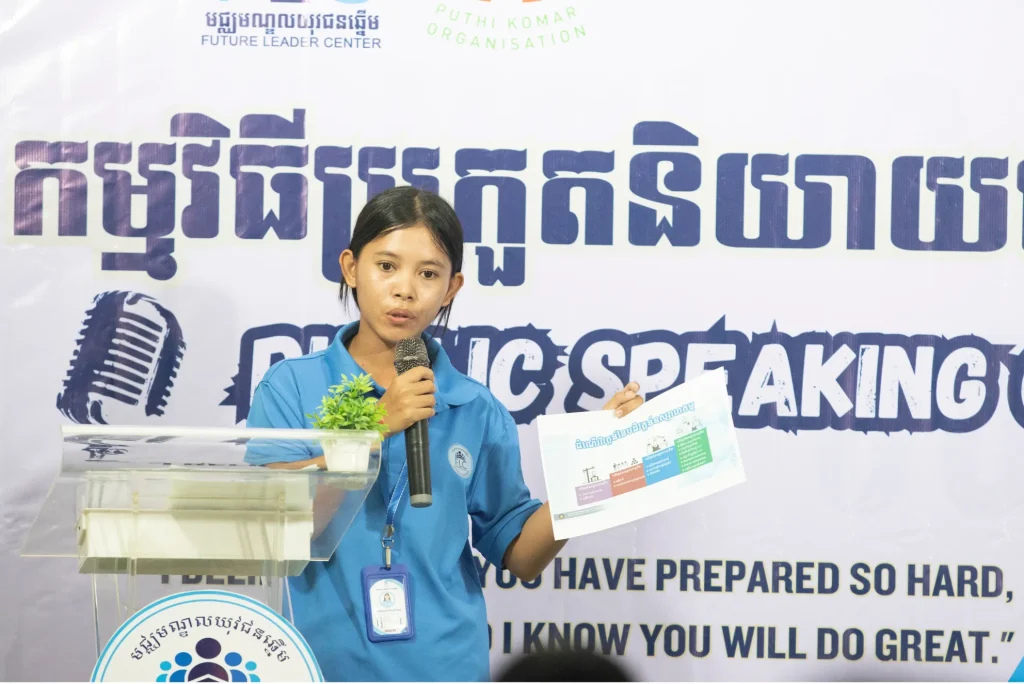
Saroeun Vichheka: Finding Direction and Confidence for a Better Future
FLC helped Saroeun Vichheka develop computer and soft skills, prepare job applications, and practise interviews. She gained confidence, clearer career goals, and stronger financial management, while continuing to balance her internship and FLC classes.
ICT & Digital Education, Youth Empowerment & Skills
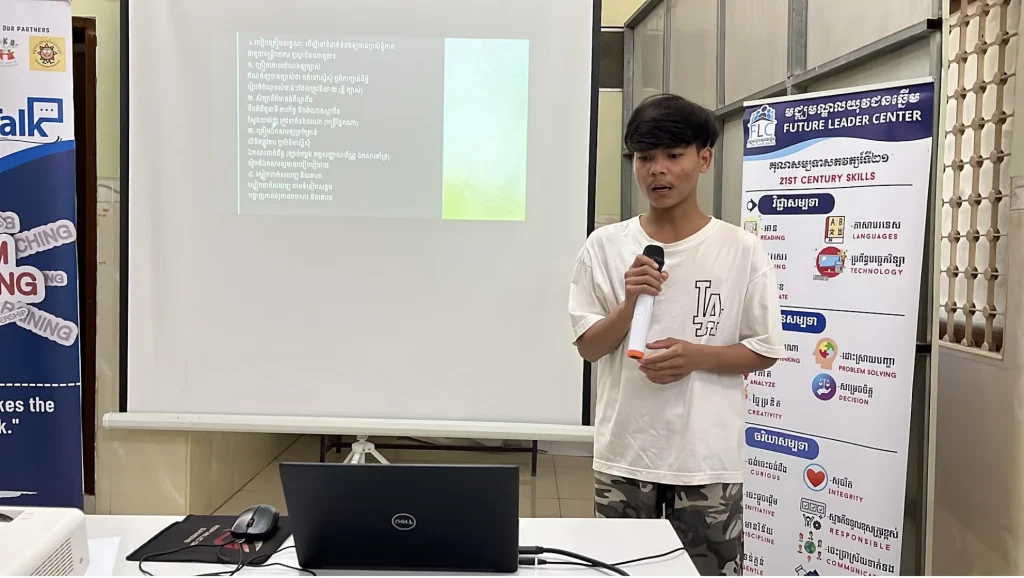
Hou Heng: From the Edge of Dropping Out to Building a Promising Future
When financial pressures threatened his university studies, Houn Heng received free skills training and employment support through FLC. He secured stable employment, became more confident, and can now support himself while continuing his education.
ICT & Digital Education, Youth Empowerment & Skills
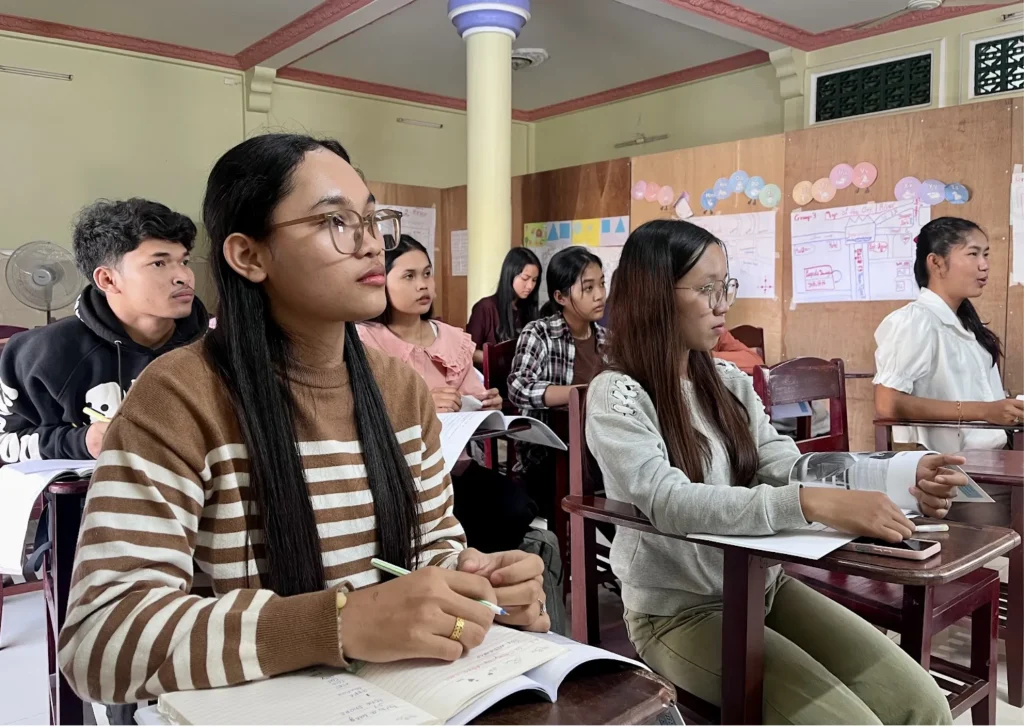
Arth Sophavann: Rediscovering Purpose Through Education and Support
Arth Sophavann regained confidence and direction through FLC training, learning materials, mentorship, and internship opportunities. She developed critical thinking and a clearer career vision, while remaining concerned about future university tuition and her family finances.
ICT & Digital Education, Youth Empowerment & Skills
RESPONSIBLE DIGITAL LEARNING
Building Skills Safely and Inclusively
Safeguarding & Online Safety
Help learners recognize risks and use digital spaces in ways that protect their safety and wellbeing.
Privacy & Data Protection
Encourage responsible handling of personal information, accounts, images and digital records.
Gender & Inclusion
Promote equitable participation and avoid allowing differences in access, prior experience or confidence to exclude learners.
Accessibility
Consider language, device, connectivity and learning barriers when designing digital activities.
Responsible AI & Information Use
Strengthen human judgement, verification and responsible use of AI-generated and online information.
Help Expand Meaningful Digital Learning Opportunities
PKO welcomes partnerships with donors, schools, education authorities, technology organizations and technical partners interested in strengthening digital learning, teacher capacity and future-ready skills for young people in Cambodia.